The Cooper Angle Globe Valve is a specialized flow control component widely used in industrial piping systems where precise regulation, pressure control, and directional flow adjustment are required. This article explores its structure, working principles, material advantages, real-world applications, installation considerations, and maintenance practices. It is designed to help engineers, procurement specialists, and system designers understand how this valve solves common industrial challenges such as leakage, pressure loss, corrosion, and inefficient flow regulation.
Whether you are upgrading an existing pipeline system or designing a new industrial fluid network, understanding the Cooper Angle Globe Valve will help you make more informed engineering decisions that improve efficiency, durability, and operational safety.
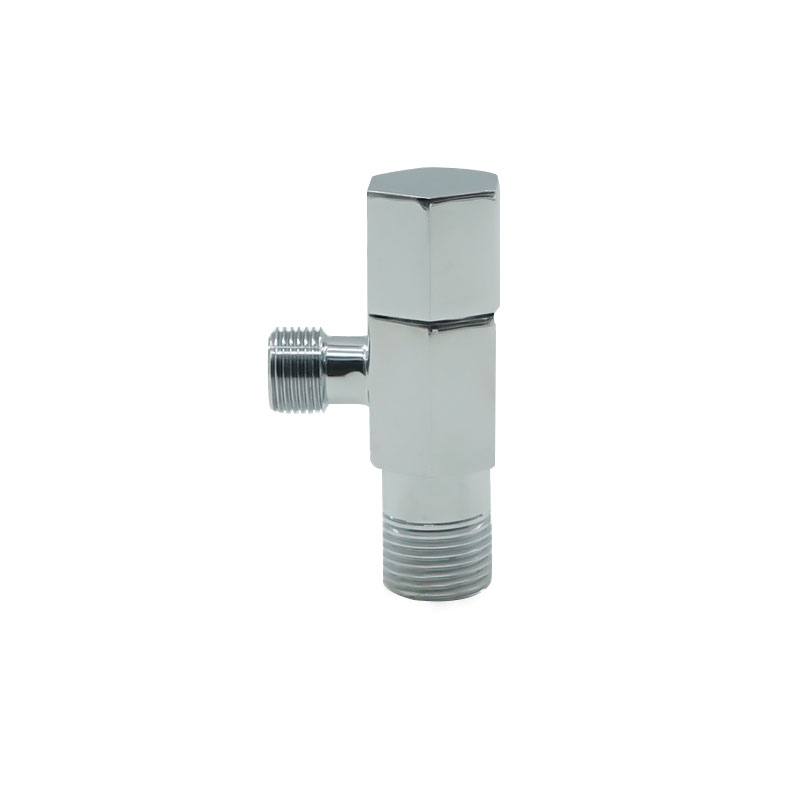
Table of Contents
- 1. Overview of Cooper Angle Globe Valve
- 2. Structural Design and Components
- 3. Working Principle Explained
- 4. Key Advantages in Industrial Applications
- 5. Comparison with Other Valve Types
- 6. Industrial Applications
- 7. How to Select the Right Angle Globe Valve
- 8. Installation Guidelines
- 9. Maintenance and Troubleshooting
- 10. Material Selection and Performance
- 11. Industry Trends and Future Development
- 12. Frequently Asked Questions (FAQ)
1. Overview of Cooper Angle Globe Valve
The Cooper Angle Globe Valve is a type of directional flow control valve designed with an angular body structure, typically set at 90 degrees between inlet and outlet ports. This unique design minimizes piping complexity while enhancing flow efficiency and reducing pressure loss compared to traditional inline globe valves.
Unlike standard valves that require additional pipe elbows, the angle globe configuration simplifies system layout and improves maintenance accessibility. This makes it especially valuable in compact industrial systems where space optimization is critical.
Industries such as chemical processing, oil and gas, water treatment, and steam distribution frequently rely on this valve type for regulating flow with high precision.
2. Structural Design and Components
The structural integrity of the Cooper Angle Globe Valve plays a crucial role in its performance. It is composed of several key components engineered for durability and precision.
- Valve Body: Typically made of copper alloy or stainless steel for corrosion resistance.
- Disc (Plug): Controls fluid flow by moving up and down against the seat.
- Seat: Ensures tight sealing when the valve is closed.
- Stem: Connects actuator or handwheel to the disc.
- Bonnet: Provides structural closure and access for maintenance.
The angled structure not only reduces piping stress but also enhances flow direction efficiency, making it a preferred solution in high-pressure systems.
3. Working Principle Explained
The Cooper Angle Globe Valve operates on a linear motion principle. When the handwheel or actuator rotates the stem, the disc moves vertically to either restrict or allow fluid passage.
This movement enables precise throttling of flow, which is particularly important in systems requiring controlled pressure regulation.
- When the valve is fully open, fluid flows with minimal resistance.
- When partially open, flow rate is finely adjusted.
- When fully closed, the disc seals against the seat to stop flow completely.
This controlled mechanism is why angle globe valves are preferred in applications requiring accuracy over high-speed flow switching.
4. Key Advantages in Industrial Applications
The Cooper Angle Globe Valve provides several engineering advantages that make it suitable for demanding environments.
| Advantage | Description |
|---|---|
| Space Efficiency | Reduces need for additional pipe fittings due to 90-degree design |
| Precise Flow Control | Allows accurate throttling of fluid |
| Leakage Resistance | Strong sealing mechanism reduces leakage risk |
| Durability | Copper alloy or stainless steel improves lifespan |
| Easy Maintenance | Straightforward disassembly and repair |
These advantages contribute significantly to reducing operational downtime and improving system reliability.
5. Comparison with Other Valve Types
Understanding how the Cooper Angle Globe Valve compares with other valve types helps in selecting the right component for specific systems.
- Gate Valve: Better for full open/close applications, but not suitable for throttling.
- Ball Valve: Offers fast shut-off but limited precision control.
- Standard Globe Valve: Good control but requires more space due to inline structure.
The angle globe valve combines compact design with excellent flow regulation capability, making it a hybrid solution in many engineering systems.
6. Industrial Applications
The Cooper Angle Globe Valve is widely used across industries requiring reliable fluid regulation.
- Chemical processing plants
- Oil and gas refineries
- Steam boiler systems
- Water treatment facilities
- Power generation systems
- HVAC industrial networks
Its ability to handle high temperature and pressure conditions makes it a critical component in heavy-duty industrial environments.
7. How to Select the Right Angle Globe Valve
Choosing the correct valve involves evaluating several technical parameters:
- Operating pressure and temperature
- Type of fluid (corrosive, viscous, clean, etc.)
- Pipe size compatibility
- Material requirements
- Flow control precision needs
A careful evaluation ensures long-term efficiency and prevents system failures.
8. Installation Guidelines
Proper installation is essential for maximizing valve performance.
- Ensure pipeline alignment before installation
- Avoid excessive torque during tightening
- Install in correct flow direction
- Allow space for maintenance access
- Perform pressure testing after installation
Incorrect installation can lead to leakage, vibration, and reduced lifespan.
9. Maintenance and Troubleshooting
Regular maintenance ensures long-term reliability of the Cooper Angle Globe Valve.
- Inspect sealing surfaces for wear
- Lubricate stem periodically
- Check for corrosion or deposits
- Replace worn gaskets or seals
Common issues such as leakage or stiffness often result from lack of maintenance or improper operation.
10. Material Selection and Performance
Material selection plays a vital role in valve performance. Copper alloy valves are commonly used due to their corrosion resistance, thermal conductivity, and durability.
For highly aggressive environments, stainless steel or specialized alloys may be used to extend service life.
Yuhuan Wanrong Copper Industry Co.,Ltd offers high-quality copper-based valve components designed for industrial-grade applications. If you need technical support or customized solutions, feel free to contact us for professional consultation and product assistance.
11. Industry Trends and Future Development
Modern industrial systems are increasingly adopting smart valve technologies integrated with sensors and automated control systems.
Future Cooper Angle Globe Valves are expected to include:
- IoT-enabled monitoring systems
- Automated flow adjustment
- Improved corrosion-resistant coatings
- Energy-efficient designs
These innovations will further improve system efficiency and reduce manual intervention.
12. Frequently Asked Questions (FAQ)
Q1: What is the main function of a Cooper Angle Globe Valve?
It is used to regulate and control fluid flow with high precision in industrial piping systems.
Q2: Why is the angle design important?
It reduces the need for additional pipe fittings and improves space efficiency.
Q3: Can it handle high pressure systems?
Yes, it is designed for high-pressure and high-temperature environments depending on material selection.
Q4: What materials are commonly used?
Copper alloys, stainless steel, and specialized industrial-grade metals are commonly used.
Q5: How often should maintenance be performed?
Regular inspections every 6–12 months are recommended depending on usage conditions.
Final Conclusion
The Cooper Angle Globe Valve is an essential component in modern industrial flow control systems. Its compact structure, precise regulation capability, and durability make it suitable for a wide range of demanding applications. By understanding its design, operation, and maintenance requirements, industries can significantly improve system efficiency and reduce operational risks. Contact us.